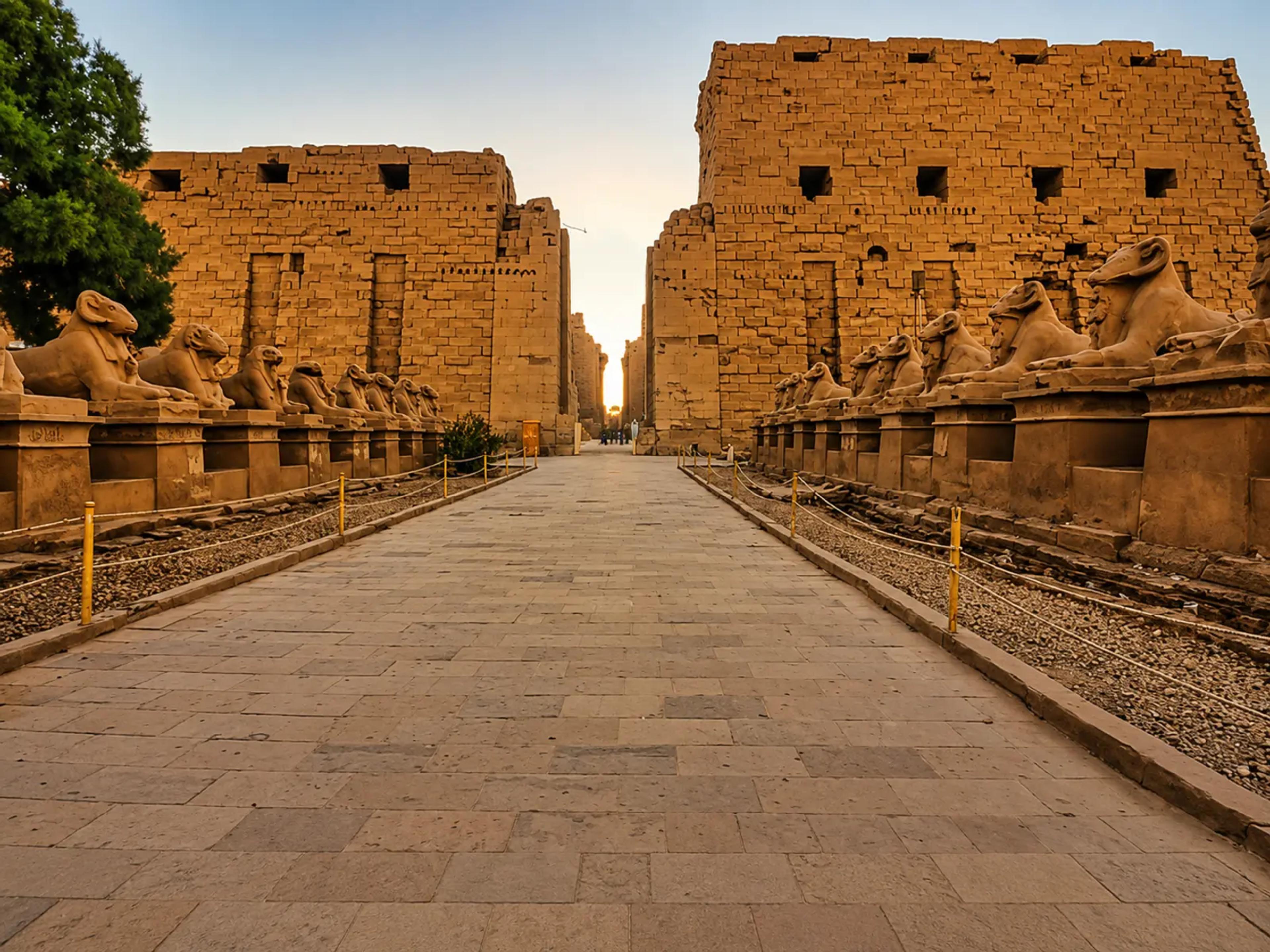
I have been going to Karnak Temple before dawn since I was a young man learning this city from guides who had learned it from older guides. The habit is not aesthetic — it is practical. Karnak in the first hour after opening is a different site from Karnak at 10 a.m., when the large coach groups arrive and the acoustic quality of the Hypostyle Hall changes from something close to silence to something close to a market.
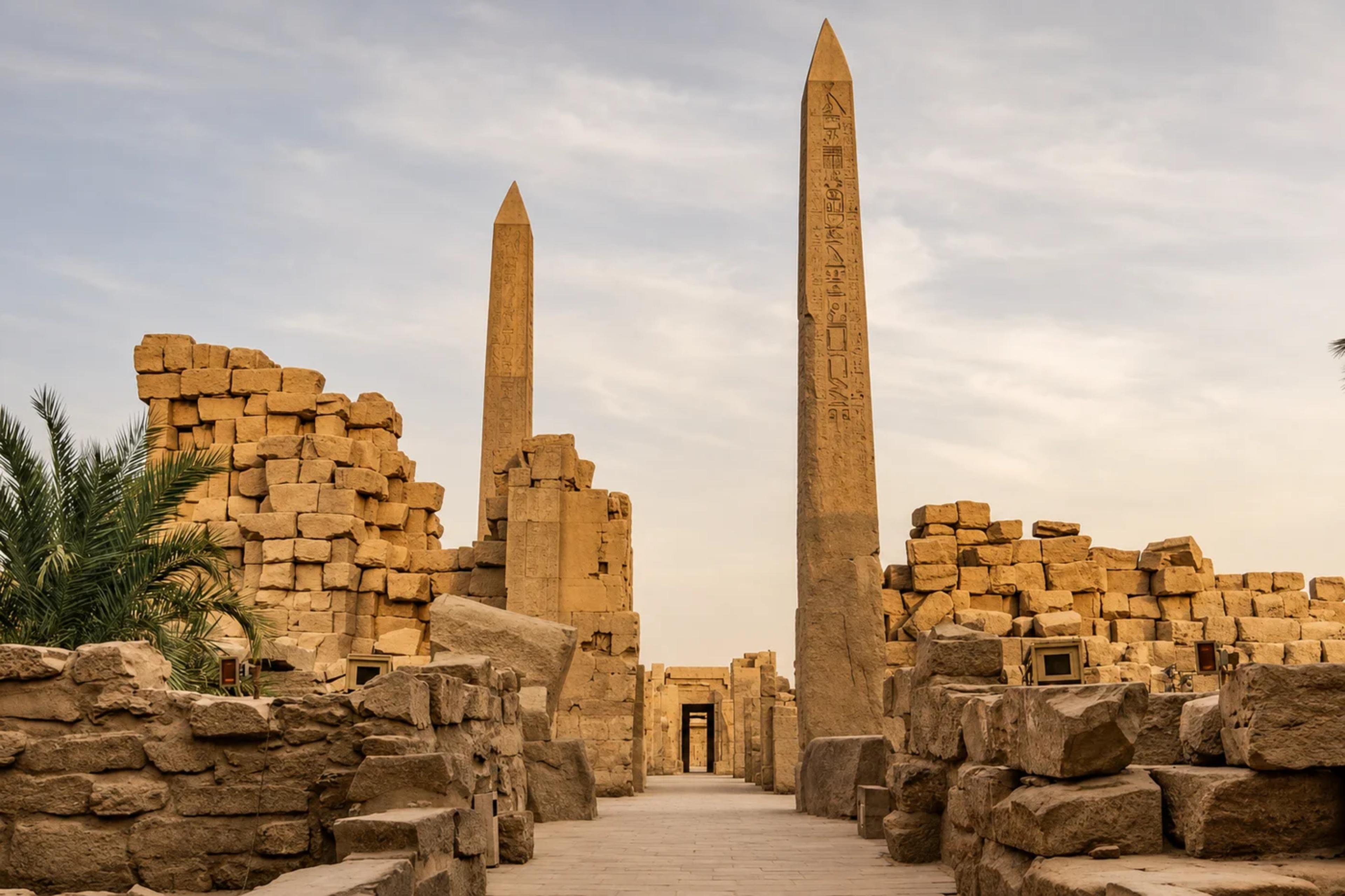
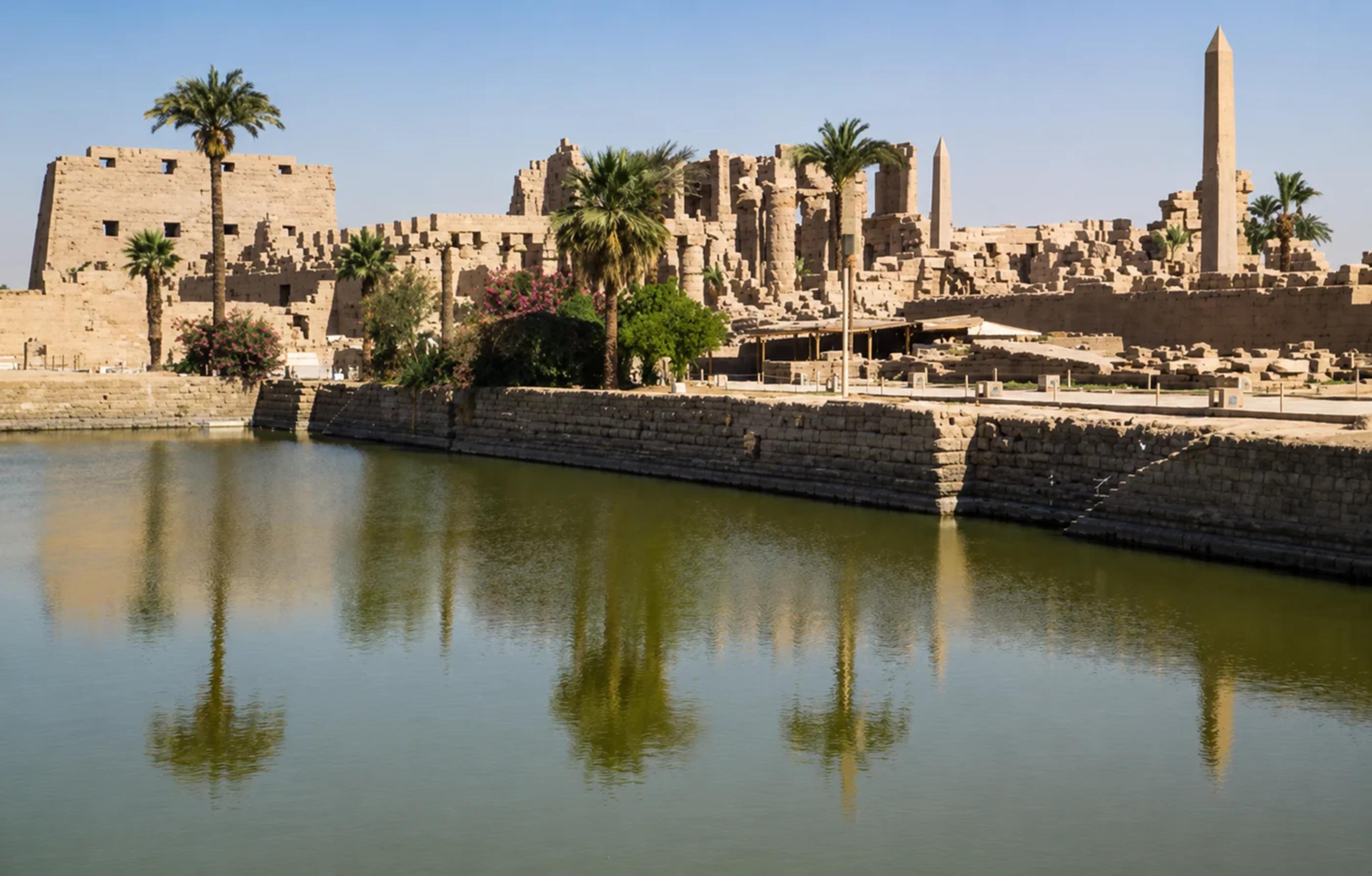
What I have been trying to do with this series of photographs is record what the temple looks like before the day is fully underway — the specific quality of light at 6 a.m. in Luxor, which is unlike morning light anywhere else I have been. The sun rises behind the limestone cliffs that form the east face of the site, which means the first light is indirect — a diffused illumination from above before the sun clears the ridge and strikes the monuments directly. That transitional period, which lasts approximately thirty minutes, is when the stone surfaces are at their most readable.
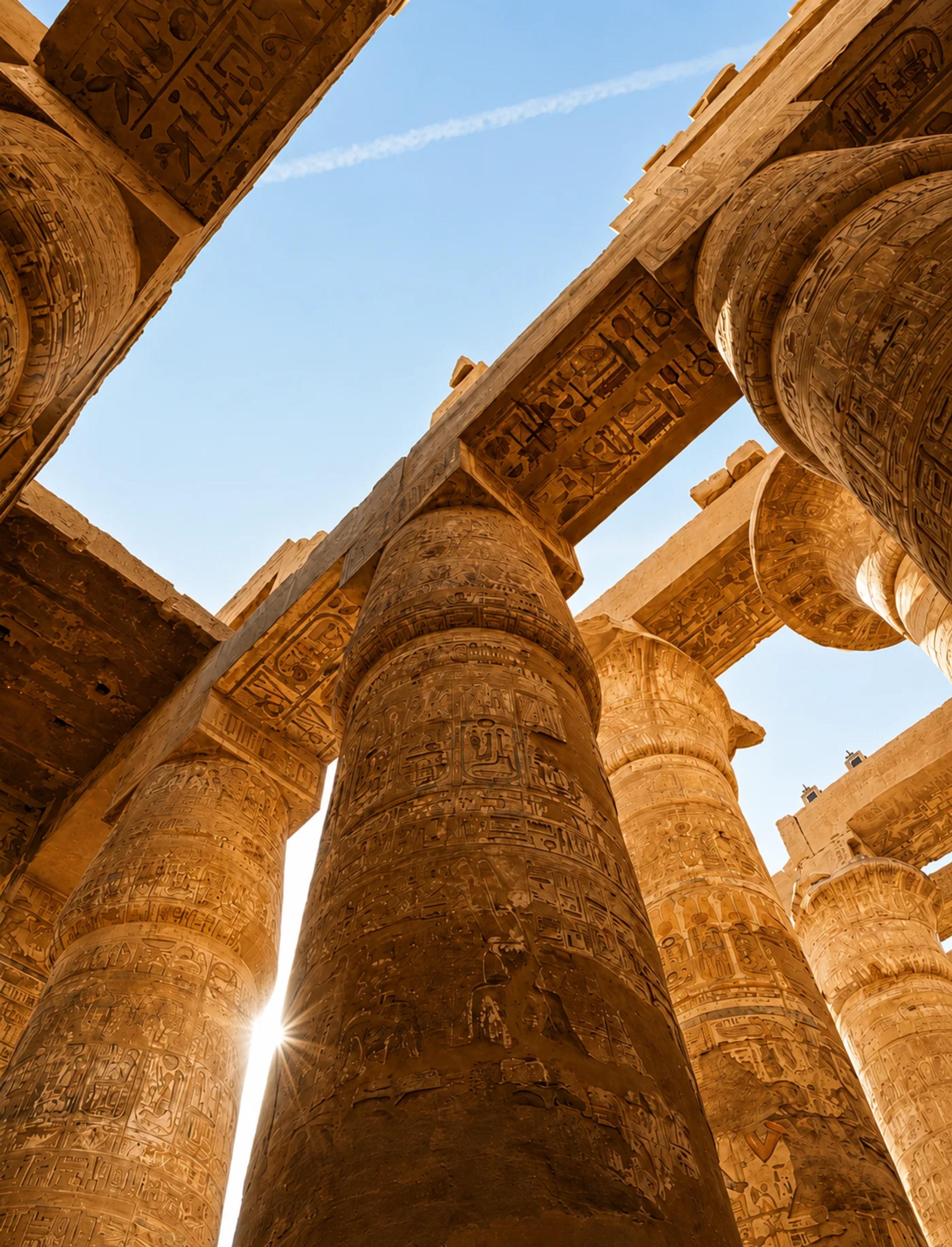
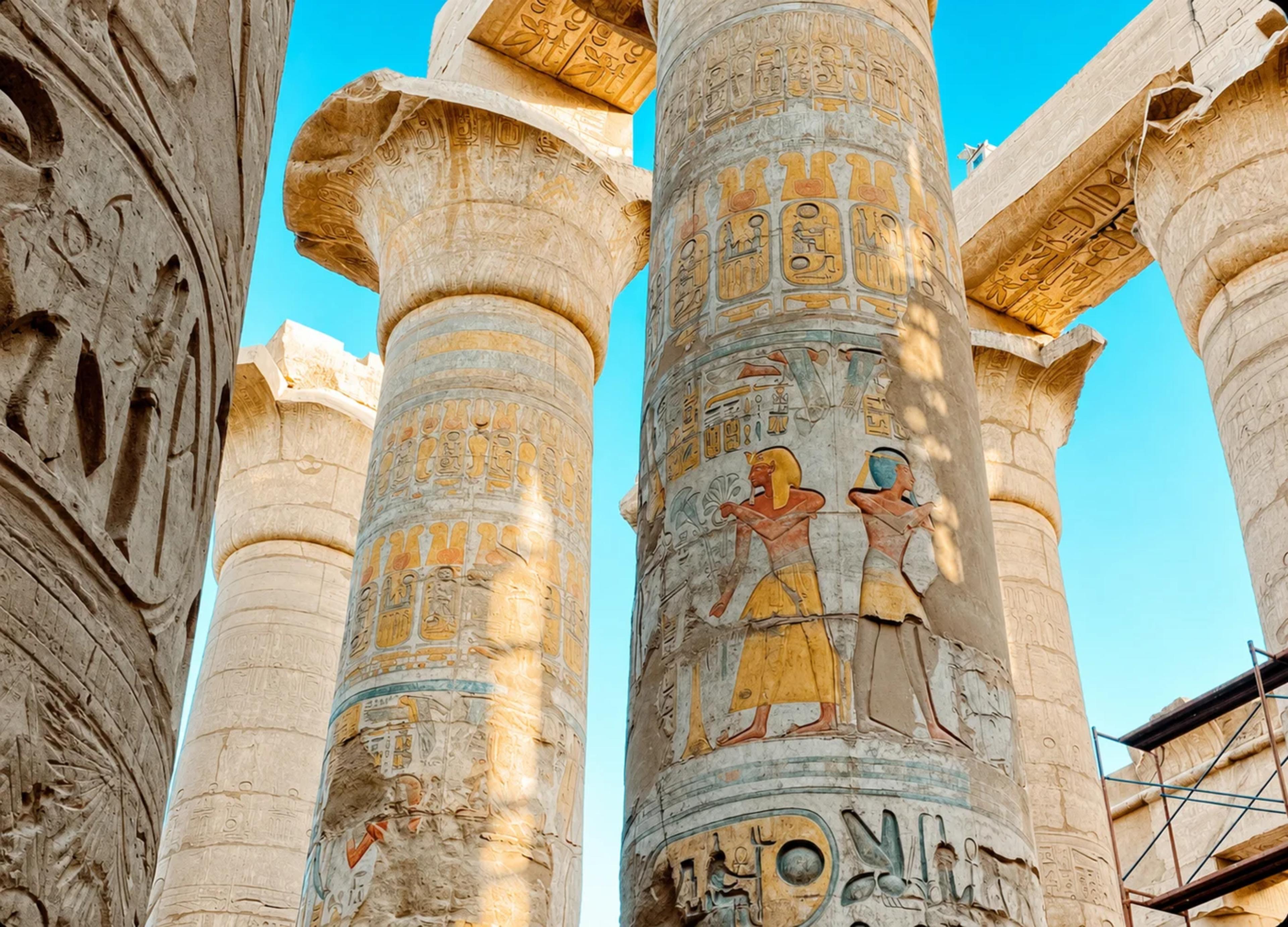
The Hypostyle Hall is the centre of this project. I have photographed it perhaps a hundred times over seventeen years, in every season and every weather condition. I am still not certain I have done it adequately. The scale is the first problem: a camera frame cannot contain 134 columns simultaneously, and any image that tries to show the hall comprehensively sacrifices the detail that makes the columns significant — the painted reliefs in the upper registers, the depth of the cutting in the lower sections, the interplay of light and shadow between the columns as the sun moves.
The second problem is people. Not in a misanthropic sense — I have spent my working life with people in this space, and the contrast between a lone visitor standing in front of a twenty-one-metre column and the column itself is one of the most useful scale references in Egyptian architecture. But a tourist photograph is a different thing from an image that tries to show what the space is. Early morning makes this possible.
I have been photographing Karnak at dawn for six months as part of the preparation for the Photographer's Day tour — a private day I offer for photographers who want to work in the major sites with a guide who can discuss both the archaeological context and the photographic challenges. The photographs here are outtakes, records of the process. The project is not finished. I do not think it will be finished. Karnak does not resolve into a finite set of images; it presents differently depending on the season, the weather, the specific quality of the day.
The photograph I am most satisfied with from this series is the one of the central columns in the Hypostyle Hall taken at 6:32 a.m. on a morning in March, when the sun had cleared the eastern ridge and was entering the hall through the clearstory openings in the roof — the openings that were designed specifically to illuminate the central axis of the hall while leaving the side aisles in shadow. The light was doing exactly what the ancient architects had designed it to do. I was in the right place at the right time. That is most of photography.